Symptoms to Know
Headaches, vision changes, swelling, and other warning signs that should never be brushed off during pregnancy or after delivery.
Learn moreMaternal health awareness
Raising awareness of preeclampsia by helping pregnant and postpartum mothers recognize the warning signs and hear real survivor stories.
Preeclampsia.fyi brings together clear information, real experiences, and resources to help families better understand preeclampsia and recognize its warning signs.
Preeclampsia is a high blood pressure condition that can develop during pregnancy or after delivery. With knowledge and early monitoring, families can recognize symptoms and seek care before complications escalate.
Headaches, vision changes, swelling, and other warning signs that should never be brushed off during pregnancy or after delivery.
Learn moreHow to measure correctly, what your numbers mean, and the readings that always warrant a call to your care team.
Learn morePreeclampsia can appear up to six weeks after delivery. Know what to watch for once you're home with the baby.
Learn moreConversation starters that help you advocate for yourself with confidence at every prenatal and postpartum visit.
Learn moreMy blood pressure spiked three days after I came home. I thought it was just exhaustion. A nurse on the phone told me to come in — that call changed everything.

At 34 weeks the headaches wouldn't stop and I saw spots of light. I almost didn't mention it. Speaking up got me diagnosed before things got worse.

No one warned me preeclampsia could happen after birth. I want every new mom to know the signs so they don't second-guess themselves like I did.

I tracked my blood pressure at home because a friend's story scared me into buying a cuff. That little machine caught it early.

Being a Black mother, I felt unheard at first. I kept advocating until someone listened. Please trust your body and keep asking questions.

The swelling in my hands felt too sudden to ignore. I called labor & delivery and they wanted me in right away. I trust my gut now.

My partner pushed me to call when I described the pain under my ribs. I'm so grateful he didn't let me wait until morning.

Reading other women's stories made me feel less alone and more equipped to ask the right questions at my appointments.

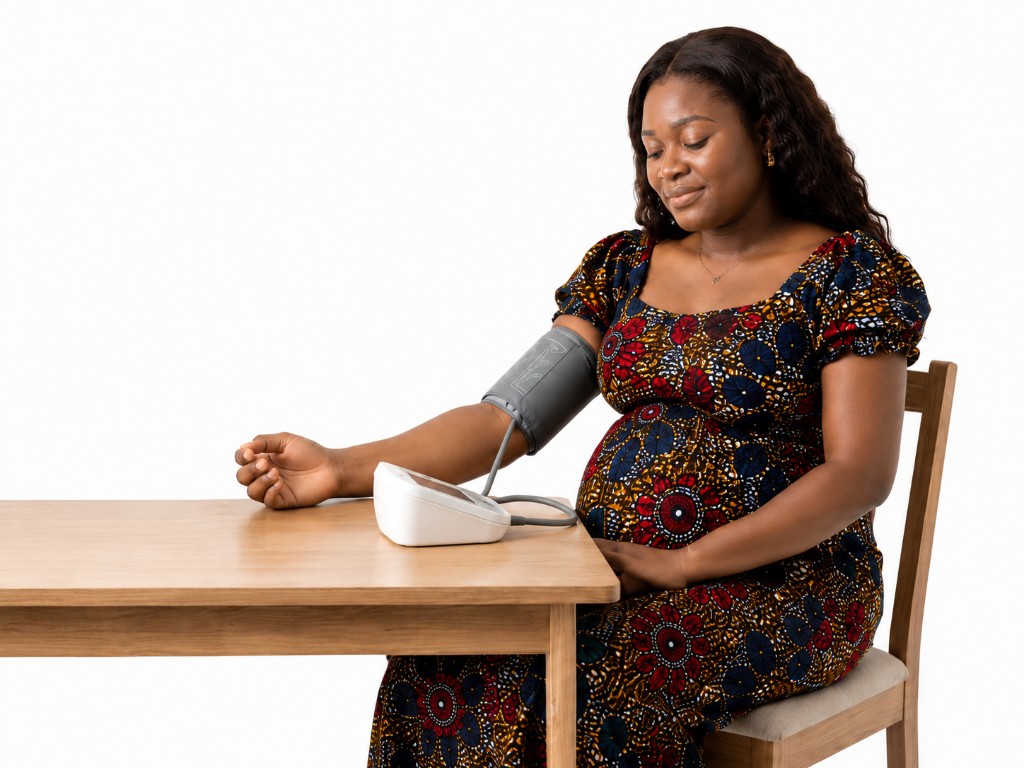
A simple step-by-step routine — same arm, feet flat, resting — so the numbers you and your provider trust are accurate.
Read article
The postpartum window deserves the same vigilance as pregnancy. Here are the warning signs new families should never ignore.
Read article
Practical phrasing to advocate clearly for yourself when something doesn't feel right — during pregnancy or after delivery.
Read article