
Home / Resources

Resources

Resources — tools to support your journey.

Helpful information, guides, and links from credible medical and public health sources to support learning, awareness, and early action.
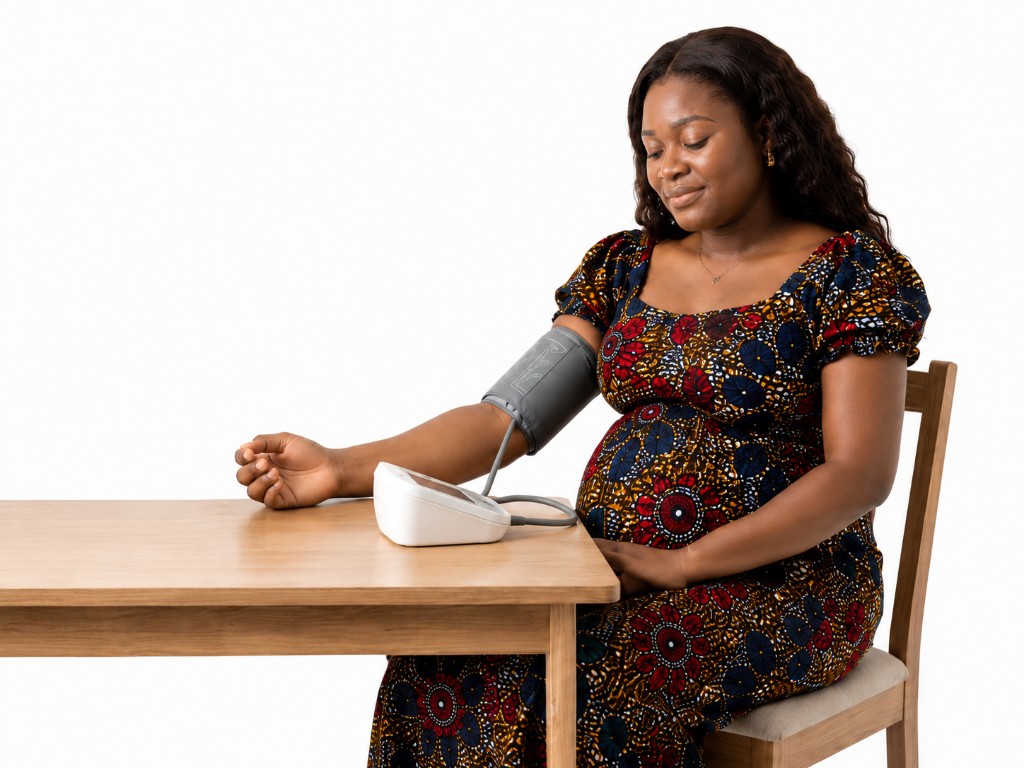
A blood pressure cuff representing home monitoring

In an emergency, don't wait

If you have a severe headache, vision changes, trouble breathing, chest or upper-belly pain, or a seizure — call your local emergency number immediately.

Deeper Reads

Step-by-step guides for day-to-day awareness.

  • 01 Symptoms to Know A glanceable checklist of warning signs during pregnancy and after birth — keep it on your fridge.
    • Severe or persistent headache
    • Vision changes: spots, blur, or light sensitivity
    • Sudden swelling in the face or hands
    • Upper-belly pain or shortness of breath
    • New nausea or vomiting in late pregnancy or after birth
    Read full guide
  • 02 Blood Pressure Monitoring Correct technique at home, what the numbers mean, and when to call.
    • Sit quietly for 5 minutes before measuring
    • Use the same arm, feet flat, arm at heart level
    • 140/90 or higher: call your provider the same day
    • 160/110 or higher: go to the ER immediately
    • Log readings and share them at every visit
    Read full guide
  • 03 Questions to Ask Your Doctor Conversation starters that help you advocate for yourself with confidence.
    • "What is my preeclampsia risk?"
    • "Which symptoms should I call about right away?"
    • "How should I track my blood pressure at home?"
    • "What is the plan if my numbers rise?"
    • "What postpartum follow-up do I need after delivery?"
  • 04 Postpartum Warning Signs Symptoms can appear days or weeks after delivery — the signs every new family should know.
    • Symptoms can appear up to six weeks after delivery
    • Risk is highest in the first 48 hours home
    • Watch for new headaches, vision changes, or swelling
    • Track blood pressure daily if your provider recommends it
    • Call right away if anything feels off, even if birth went smoothly
    Read full guide
  • 05 Emergency Care Guidance When symptoms mean it's time to seek help — and what to tell them.
    • Go to the ER for severe headache, vision loss, or seizure
    • Tell staff you are pregnant or recently postpartum
    • Share your recent blood pressure readings if you have them
    • Ask for a blood pressure check and urine test
    • Bring a partner or advocate who can speak for you if needed
    Read full guide
Trusted Sources

Where to learn more — from credible organizations.

A health professional reviewing patient information
Patient Education Foundation

Preeclampsia Foundation

Patient education, community support, and the latest research from a leading patient advocacy organization.

Visit site
A clinician supporting a pregnant patient
Clinical Guidance ACOG

ACOG

The American College of Obstetricians and Gynecologists provides clinical guidance for pregnancy and postpartum care.

Visit site
A mother smiling at her baby
Public Health CDC

CDC — Hear Her

Urgent maternal warning signs and the importance of being heard, from the Centers for Disease Control and Prevention.

Visit site
Awareness saves mothers

Know the signs. Save lives.

Bookmark these resources, share them with a loved one, or send them to a friend who is pregnant or postpartum.